Crossroads Ford of Lumberton

Blog / Lumberton Ford Dealer

The Benefits of Over-The-Air (OTA) Software Updates in Modern Vehicles

Essential Guide To The Ford OTA Updates: Keep Your Tech Current

In today’s fast-paced world, staying connected and updating your vehicle’s technology is more important than ever. Ford software updates provide a convenient and efficient way to ensure that your vehicle is always running at its best. These updates introduce new features, improve existing functions, and enhance overall performance, all without the need to visit a dealership. Whether it’s upgrading driver-assist systems or adding new connectivity features, these updates ensure your Ford remains on the cutting edge and ready for whatever lies ahead. In this guide, we’ll walk you through everything you need to know about Ford’s OTA software updates, from managing and troubleshooting to the many benefits they bring to your driving experience. Stay tuned for more information and visit Crossroads Ford of Lumberton to browse our latest models that feature the Ford software update!

Understanding Ford OTA Updates

Ford’s Over-the-Air update capability is a revolutionary technology that enables wireless software updates for your vehicle. This innovative feature allows Ford to remotely update your vehicle’s software, ensuring you have the latest features, security patches, and performance enhancements. With OTA updates, you can enjoy a seamless driving experience, knowing your vehicle is always up to date and running at its best.

The technology behind Ford’s OTA updates is based on a cloud-connected and vehicle software platform. This platform enables Ford to wirelessly push software updates to your vehicle using cellular or Wi-Fi connections. The update process is designed to be quick and easy, with most updates taking less than two minutes to install.

Ford’s OTA update capability is an automotive industry first. It allows for bumper-to-bumper updates for nearly all vehicle computer modules, including conventional gas vehicles. This means that your vehicle’s software can be updated remotely without the need for a physical visit to a dealership or service center.

By keeping your vehicle’s software current, you can enjoy a range of benefits, including improved performance, enhanced safety features, and new convenience features. Ford expects to deliver regular software updates, ensuring your vehicle stays up to date and continues to meet your evolving needs.

Gain a comprehensive understanding of what Ford OTA updates entail, how they function, and the technology behind them. 

Benefits of Software Updates

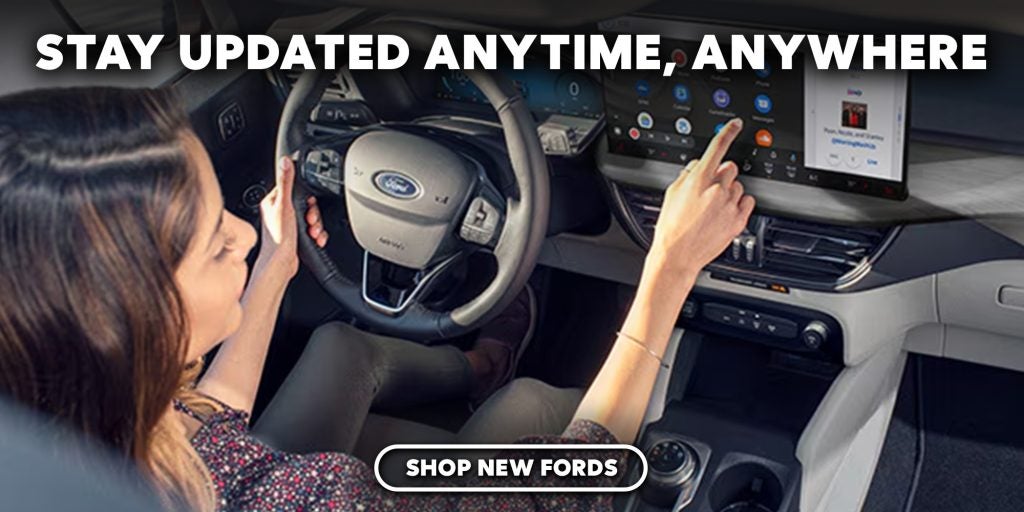
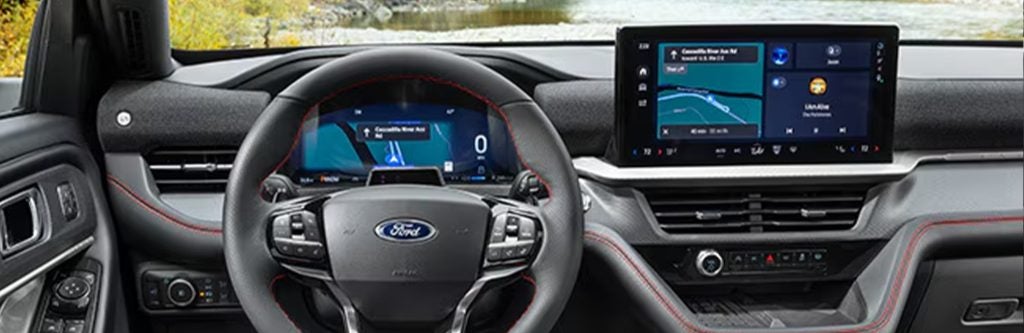
Keeping your Ford up to date ensures you always have access to the newest enhancements and improvements tailored to your vehicle. These updates help maintain optimal performance, allowing your technology to function smoothly and efficiently. The installation process is seamless, often running in the background with minimal effort required. Additionally, software updates unlock expanded capabilities, including advanced connectivity features such as Apple CarPlay® and Android Auto™ integration with SYNC® 4, enhancing your overall driving experience.

Managing Software Updates

To keep your Ford vehicle’s software up to date, start by connecting it to a reliable and frequently used private Wi-Fi network. You can check for available updates by accessing the Update Details screen within your vehicle or using the FordPass® App and your Ford Account dashboard. Stay informed about new updates through notifications from your vehicle, the FordPass App, and your Ford Account. Make sure automatic updates are enabled on your SYNC® screen for a seamless experience. For updates that require the vehicle to be parked, such as overnight or during work hours, schedule them at a convenient time to avoid disruptions.

Benefits and Troubleshooting

If you encounter any issues with a software update, start by checking the FordPass App or your Ford Account dashboard for troubleshooting guidance and to view the update’s status. For further assistance with connectivity problems or scheduling difficulties, reach out to Ford Support. You can also monitor the progress of your update in real-time by accessing the Update Details screen within your vehicle.

Inside the OTA Software Update Process

When a Ford software update becomes available, you’ll receive a notification alerting you to the new update. If needed, you have the option to schedule the installation for a later time. For updates that require the vehicle to be turned off, you can set a convenient time, such as overnight or during a period when the car isn’t in use. Updates are installed wirelessly through the vehicle’s modem using a cellular connection or an external Wi-Fi network. Most non-drivable updates take about 45 minutes to complete, though some may require more time. You can check the FordPass App for estimated update durations.

Ford Maverick Software Updates

The Ford Maverick continuously evolves with software updates that refine performance, enhance safety, and improve entertainment features. With over-the-air technology, drivers can enjoy the latest advancements, from upgraded driver-assist systems to seamless smartphone connectivity.

Ford Bronco Software Updates

Built for adventure, the Ford Bronco stays ahead with software updates that optimize performance, safety, and entertainment capabilities. These enhancements are delivered effortlessly thanks to OTA Ford software updates, keeping the Ford Bronco smarter, safer, and ready to conquer any terrain.

Ford Edge Software Updates

The Ford Edge remains on the cutting edge with software updates that boost performance, safety, and connectivity. Over-the-air updates allow owners to access the latest innovations effortlessly, ensuring a refined and seamless driving experience.

Ready for Seamless Updates On the Go?

Software updates are an essential part of keeping your vehicle’s technology at its best. These updates enhance your Ford’s performance, introduce new features, and improve overall functionality. The numerous benefits of Ford software updates include upgraded features, better performance, and expanded capabilities that enhance your driving experience. If you encounter any issues, you can easily troubleshoot using the FordPass App or by contacting Ford Support for assistance. Ready to learn more about the Ford software updates? Head to Crossroads Ford of Lumberton to test-drive our latest Ford models equipped with OTA software.

SHOP NOW

Posted in:

Related Posts

Buying From A Dealership vs. Private Seller: The Differences

Confidence In Your Car Purchase Buying your next vehicle should feel exciting, not uncertain. At Crossroads Ford of Lumberton, we believe the process should be straightforward, transparent, and supported by professionals who help you make a confident decision. When comparing buying from a dealership vs. a private seller, the conversation goes far beyond the sticker price. It’s about the value of expert guidance, verified vehicle disclosure, financing options, and help with paperwork that can otherwise become overwhelming. One of the biggest advantages of working with a dealership is time savings. Instead of coordinating inspections, researching vehicle history, arranging financing, and handling registration on your own, our dealership offers a one-stop shop to simplify the process. Our team can assist with loan pre-approval, provide clear vehicle disclosure and history information, and walk you through every step from test drive to title transfer. While private sellers may advertise a lower asking price, those purchases often require buyers to manage inspections, paperwork, and financing independently—with little recourse if issues arise later. Buying from our dealership means partnering with a business built on reputation, transparency, and ongoing customer support. From carefully selected inventory to assistance with financing and documentation, our goal is to make purchasing your next vehicle simpler, safer, and far more convenient, so you can focus on enjoying the drive rather than navigating the details. Weigh the pros and cons of buying from a dealer vs. a private seller, and head to Crossroads Ford of Lumberton to browse our inventory today. Who This Guide Is For This guide is for buyers who want a simpler purchase process and more peace of mind. It is also for budget-focused shoppers who are willing to handle a vehicle inspection, title transfer, negotiation, and DMV steps on their own. Dealership vs. Private Seller at a Glance Buying from our dealership offers a clearer, more supported process with a larger selection of vehicles in one place. While private sellers may advertise lower sticker prices, the lowest price does not always mean the lowest total ownership cost once repairs, taxes, registration, and financing are considered. At our dealership, you benefit from available financing options, professionally prepared vehicles, access to vehicle history reports, and assistance with paperwork, including title transfers and registrations. Many vehicles may also include limited warranty coverage or Ford Blue Advantage benefits for added peace of mind. Private sales typically involve lower upfront prices but are often sold as-is, require buyers to handle paperwork themselves, and rarely offer financing, trade-ins, or post-sale support. For many shoppers, the convenience, transparency, and protection of buying from our dealership make it a more reliable choice. Price, Fees, and Total Cost Private sellers often start lower because they do not carry dealership overhead, staffing, compliance costs, or a reconditioning center. That lower purchase price can be attractive, especially if you are paying cash and understand local market value. Dealership pricing can include dealer fees, a documentation fee, optional products, and financing markup tied to the interest rate. Still, some dealer vehicles have undergone reconditioning, basic service, or inspections, which may reduce the risk of mechanical problems after the sale. Why Dealer Prices Are Usually Higher A car dealer has operating costs that a private owner does not. Those costs can include staffing, lot expenses, regulatory compliance, advertising, title processing, and warranty-related obligations. Ford Blue Advantage vehicles usually cost more because they include stricter inspections and some level of warranty coverage. That premium can be worth it for buyers who want stronger reliability and fewer unknowns. Why Private Sellers Can Be Cheaper A private seller is usually focused on a quick sale rather than margin targets. That often creates room for negotiation, especially if the seller has already bought another vehicle. A low price can also be a warning sign. Hidden mechanical issues, accident history, deferred maintenance, or title problems can erase your savings fast. Risk, Inspections, and Vehicle Condition At our dealership, we inspect and recondition vehicles before offering them for sale, but standards vary by store and by vehicle. You should still ask what was checked, what was repaired, and whether service records or a vehicle history report are available. Private sales often place more buyer risk on you because many are sold as-is. In either case, a pre-purchase inspection by an independent mechanic is one of the smartest steps you can take before money changes hands. What Buyers Usually Get From a Dealership When you purchase a vehicle from our dealership, you gain access to important information that helps you buy with confidence. Our team works to provide available service records, maintenance history, and details about any reconditioning or preparation completed before the vehicle reaches our lot. As a licensed dealership with an established reputation, we are committed to transparency and accountability throughout the buying process. Our business identity and professional standards help ensure that disclosures are clear and accurate, giving you greater peace of mind as you make your decision. Many vehicles at our dealership may also qualify for the Ford Blue Advantage program. These vehicles meet specific inspection standards and can include limited warranty coverage, offering additional confidence long after you leave the lot. What Buyers Must Verify in a Private Sale With an individual seller, you need to confirm that the VIN on the car matches the one on the title and other documents. You should also verify clean title status, ask about any lien release, review maintenance history, and check local emissions or inspection requirements. Never skip a test drive or a pre-purchase inspection. An independent mechanic can spot hidden mechanical issues that a casual buyer may miss. Financing, Trade-Ins, and Payment Flexibility Our dealership offers financing, lender access, and trade-in options that private sellers do not. For many buyers, the ability to spread the cost into a monthly payment is the main reason a dealer price makes sense. Private sellers often prefer a cashier's check or cash. That can work well if you already have funds available, but it limits flexibility for shoppers who need financing or want to roll a current vehicle into the deal. When Dealer Financing Helps Our dealer financing helps buyers compare loan options in one place and match terms to their budget. It can also simplify the process by combining purchase, financing, trade-in, and registration into a single transaction. This convenience matters if you are balancing down payment size, financing costs, and interest rate. It can also save time if you need transportation quickly. Speak with our finance experts today! When Cash Buying Works Better Paying cash can give buyers flexibility and a clear spending limit, but that does not mean a private sale is the best route. Many cash buyers actually prefer working with a dealership because the process is more transparent, secure, and professionally managed. At our dealership, you can still negotiate while benefiting from a clearly documented vehicle history, verified titles, and vehicles that have already been inspected. This helps eliminate much of the uncertainty that often comes with private party purchases. In addition, our team handles the paperwork, registration guidance, and transaction details, which saves time and reduces risk. If you plan to pay cash, it is still important to set a firm budget that includes sales tax, registration, insurance, and any potential maintenance. The advantage of buying from our dealership is that you can review those costs upfront with a knowledgeable team while choosing from a range of quality vehicles in one convenient location. For cash buyers who want a straightforward purchase with fewer surprises, our dealership offers the confidence and convenience that private sales often lack. Paperwork, Registration, and Legal Protection Crossroads Ford of Lumberton handles the title transfer, temporary tags, registration paperwork, and required sales documents. That reduces errors and makes the transaction easier for buyers who are unfamiliar with DMV rules. Private sales require the buyer to verify every document and complete state-specific steps correctly. Mistakes with paperwork can delay registration, create tax issues, or leave you with a car you cannot legally drive. Dealer Process and Accountability Our licensed dealer operates in accordance with state regulations and disclosure requirements. This creates better consumer protection, stronger accountability, and a clearer path for legal recourse if something goes wrong. This is one reason many buyers prefer a dealership. The process is more structured, and there is usually someone available to answer follow-up questions. Warranties, Returns, and Peace of Mind Our dealership offers additional protection, including warranties, Ford Blue Advantage coverage, and optional service contracts. Private sellers rarely provide any post-sale protection, and most deals are final once payment is made. That does not mean every dealer car is protected. Some are sold as-is, too, so you need to read every disclosure and understand exactly what is and is not covered. What Warranty Coverage Really Means Manufacturer warranty coverage usually follows the vehicle if time or mileage remains. Ford Blue Advantage coverage is different from a dealer warranty, and an extended service contract is different from both. Review the term length, covered components, deductibles, and exclusions before signing. A short limited warranty can still be useful, but only if you know its limits. When a Dealership Is the Better Choice Buying from a dealership is often the smarter option for drivers who want a smoother, more supported experience from start to finish. Our dealership makes the process easier by keeping everything in one place, including financing options, a wide range of inventory to compare, and the ability to apply your trade-in toward your purchase. It’s also an ideal choice for shoppers who value peace of mind. With built-in buyer protections, professional guidance throughout the process, and support even after you drive off the lot, purchasing through our dealership provides confidence and convenience that private sales simply can’t match. For buyers who want a streamlined process, trusted service, and a team ready to help every step of the way, choosing our dealership is the clear advantage. Best-Fit Buyer Profiles A dealership often makes sense for: First-time used-car buyers Families focused on reliability Buyers who need a monthly payment Shoppers interested in Ford Blue Advantage vehicles People who want help with paperwork, title transfer, and registration When a Private Seller Is the Better Choice A private seller can be the better choice if your top priority is price and you are comfortable doing your own due diligence. This route works best when the seller has solid service records, the vehicle passes inspection, and the title is clean. It can also be a good fit for cash buyers who know the market value and can act quickly. The savings can be real, but only if you avoid hidden damage, title issues, and poorly documented maintenance. That said, many buyers ultimately find that purchasing from our dealership is the better option when they want more certainty and support throughout the process. With professionally inspected vehicles, transparent paperwork, available financing, and the ability to trade in your current vehicle, buying from our dealership removes much of the risk and guesswork that can come with private sales—while still helping you find a great value! Best-Fit Buyer Profiles A private sale often fits: Mechanically savvy shoppers Bargain hunters Buyers are comfortable with as-is sale terms People who can verify title status and paperwork themselves Buyers who can absorb some post-purchase risk If you go this route, be disciplined. Meet in a safe place, verify the VIN, review the vehicle history, and never skip the inspection. Final Verdict: Which Option Makes More Sense For most buyers, a dealership wins on convenience, access to financing, legal structure, and peace of mind. A private seller can still be the smarter move on upfront price, but only when your inspection, title, and vehicle history checks are solid. The right choice comes down to risk tolerance, total ownership cost, and the level of support you want before and after the sale. If you want a smoother process with greater accountability, buying from our dealership is the better option, while a private seller makes more sense for experienced buyers who can manage the extra risk. Decision Framework If you’re looking for a smoother experience with fewer risks, a dealership is the better path. Buying through our dealership means less hassle, stronger buyer protections, available financing options, and a team that handles the paperwork and details for you. A private seller may make sense if the lower upfront price is your main priority—but only when the vehicle has a clean title, verified service history, and passes a thorough independent inspection. For most shoppers, the added confidence, support, and convenience of working with a trusted dealership make all the difference. Explore our inventory at Crossroads Ford of Lumberton or connect with our team today to find the right vehicle with the peace of mind you deserve. FAQs Is it better to buy from a dealership or a private seller? It depends on your priorities. Dealerships are usually better for financing, paperwork, selection, and buyer protections, while private sellers may offer a lower upfront price. What is the 20/3/8 rule for buying a car? The 20/3/8 rule suggests putting 20% down, financing for no more than 3 years, and keeping total car costs under 8% of gross monthly income. It is a budgeting guide, not a legal rule. What is the disadvantage of buying from a private seller? The biggest drawback is risk. A private sale is often an as-is sale with no warranty, limited legal recourse, and more responsibility for inspection and paperwork. What is a red flag in a dealership? Watch for unclear dealer fees, pressure to skip a vehicle inspection, vague vehicle history, rushed paperwork, or financing terms that are not fully explained. A reputable used car dealer should answer questions clearly and in writing. At Crossroads Ford of Lumberton, our main priority is transparency, so feel free to reach out to our team if you have any questions regarding your next vehicle purchase! SHOP NOW

How Long Should A Car Loan Be? 60 vs. 72 Months & More

The Car Loan Length To Fit Your Needs Choosing the right car loan term is a crucial part of the car-buying process, as it directly impacts your monthly payments and the total cost of the loan. Understanding how long a car loan should be depends on several factors, including your financial situation, the car's value, and your long-term goals. Whether you’re considering a short-term loan or a longer-term option, finding the right balance can help you manage your monthly budget while minimizing interest costs. It’s essential to evaluate your loan options carefully for the perfect ride. From shorter loan terms with higher monthly payments to longer periods with lower payments, the decision can shape your overall financial well-being. By exploring the pros and cons of each term length from Crossroads Ford of Lumberton, you'll be better equipped to select a loan that aligns with your needs and ensures a smooth car ownership experience. Get in touch with our finance department today! Understanding Car Loan Term Lengths What Is the Average Car Loan Length? On average, determining how long a car loan should be typically ranges between 60 to 72 months. This time frame has become increasingly common as car prices rise, making longer loan terms more appealing to buyers looking for manageable monthly car payments. However, understanding the implications of the 60- vs. 72-month car loan is essential when choosing a loan term that fits your needs. For those looking for a short-term loan, terms usually range from 36 to 48 months. These often come with higher monthly payments but lower interest costs over the life of the loan. On the other hand, longer-term loans, such as 72-month or even 84-month loans, allow for lower monthly payments but significantly increase the total amount paid due to higher interest rates over a longer period of time. Selecting the right term should factor in both your financial situation and how much car you can realistically afford. Factors That Influence Loan Term Decisions Several factors play a crucial role in determining the ideal car loan term for you. One of the most significant considerations is your financial situation. This includes evaluating your savings, monthly budget, and overall income. For example, if you have a steady income and can comfortably handle higher monthly payments, a shorter loan term may be a good idea. Conversely, if your budget is tighter, a longer loan term may help reduce the immediate financial burden, even if it increases the total cost of the loan. Another key factor for how long a car loan should be is whether you’re financing new vehicles or used vehicles. New cars tend to have better interest rates compared to used car loans. However, used vehicles generally cost less up front, which could allow you to opt for a shorter loan term. Additionally, the trade-in value of your current car and the size of your down payment can influence your decision. A large down payment reduces the loan balance, which can make shorter terms more feasible. Car prices and interest rates also have a major impact on how long a car loan should be. Rising car costs can push buyers toward longer-term loans to achieve a lower monthly payment. However, longer loan terms often come with higher interest rates, which increase the total interest paid over the life of the loan. Loan fees, annual percentage rate (APR), and other financing options, like home equity loans or credit cards, should also be considered when evaluating how long a car loan should be. Short-Term vs. Long-Term Auto Loans Why Short-Term Auto Loans May Be a Good Idea Short-term auto loans, typically lasting 36 to 48 months, can be an excellent option for buyers who want to save money in the long run. One of the biggest advantages is the lower total interest costs. Since the loan is repaid over a shorter time frame, the lender has less opportunity to collect interest, resulting in significant savings. Additionally, short-term loans often come with better interest rates, making them an attractive choice for borrowers with a solid credit history. Another benefit is the faster payoff time, which reduces the risk of negative equity. Negative equity occurs when the loan balance exceeds the car’s value, a situation that can arise in longer-term loans. With a shorter term, you’re less likely to owe more than the car is worth. This also minimizes the need for additional financial products like gap insurance, which is often required for long-term loans to cover any shortfall in case of a total loss. Moreover, shorter loan terms typically lead to lower car insurance premiums, as the insurance company views shorter repayment periods as less risky. Longer-Term Loans: Pros and Cons Longer-term loans, such as 72-month or 84-month auto loans, are appealing for buyers who prioritize lower monthly payments. These loans can make a car purchase seem affordable up front, especially if you’re trying to fit the loan payments into a tight monthly budget. However, the benefits of longer-term loans come with notable trade-offs. One of the primary disadvantages is the increased overall cost of the loan. While the monthly payments are lower, the extended length of the loan term means paying more in total interest over time. In fact, the longer the loan term, the higher the interest payments you’ll make, which can significantly increase the total amount paid for the vehicle. Additionally, longer loan terms carry a higher risk of negative equity, particularly for vehicles that depreciate quickly. If you decide to sell or trade in the car before the loan is paid off, you may still owe money on the loan. Long-term auto loans may also limit your financial flexibility. For instance, unexpected repair bills or changes in your financial situation could make it challenging to keep up with payments over a longer period. Additionally, buyers should be cautious about being locked into a loan for a longer period of time, as this can restrict their ability to upgrade to a new vehicle or adapt to changing needs. How to Choose the Right Auto Loan Term Evaluating Your Financial Situation Choosing how long a car loan should be starts with a clear evaluation of your financial situation. Begin by assessing your income, monthly budget, and any savings account reserves. A solid understanding of your finances will help you determine how much car you can afford and what kind of loan payments fit comfortably within your budget. For instance, if you have disposable income and can handle higher monthly payments, opting for a shorter loan term could save you money in the long run. Another critical factor of how long a car loan should be is your credit history. Borrowers with strong credit scores are often eligible for better interest rates, which can make even shorter loan terms more affordable. On the other hand, if your credit history is less favorable, you may face higher interest rates, making a longer loan term more practical. Using an auto loan calculator or payment calculator can be invaluable during this process, allowing you to compare different loan offers and see how factors like term length, interest rates, and loan balance impact your monthly car payment and total cost. Balancing Loan Term and Total Costs When choosing between a short-term and a long-term situation for how long a car loan should be, it’s essential to consider the trade-off between monthly payments and total interest costs. Shorter loan terms typically come with higher monthly payments, but they save you money over time by reducing the total interest paid. For example, a 36-month loan will cost less in interest compared to a 60-month or 72-month loan, even if the monthly payments are higher. On the flip side, longer loan terms reduce your monthly payment, making it easier to fit into your monthly budget. However, the extended time frame increases the total interest paid over the life of the loan, adding to the overall cost. Additionally, longer-term loans may come with higher interest rates, further increasing the loan’s cost. It’s crucial to weigh these factors carefully, as the wrong choice could strain your finances in the long run. Additional costs should also be factored into your decision. For instance, repair bills and maintenance costs are more likely to arise if you keep the car for an extended period, which is common with long auto loan terms. Exploring options like refinancing loans or using home equity to pay off a portion of the loan could provide some flexibility. Similarly, understanding the potential need for GAP insurance or higher car insurance premiums with longer loans is important when calculating the total cost of ownership. 60- vs. 72-Month Car Loan: Which Option Is Better? Deciding between a 60-month loan and a 72-month loan depends on your priorities, financial situation, and the car’s value. A 60-month loan is often considered a balanced choice, offering a shorter repayment period while keeping interest costs relatively low. With this option for how long a car loan should be, you can pay off the loan faster and reduce the risk of negative equity, where the loan balance exceeds the car’s value. However, the higher monthly payments associated with a 60-month loan may strain your budget, especially if you’re financing a more expensive car. In contrast, a 72-month loan provides the benefit of lower monthly payments, making it a good option for buyers who need to maintain a tighter monthly budget. This extended term for how long a car loan should be can make higher car prices more manageable up front, but it comes with drawbacks. The longer period increases the total interest paid, raising the overall cost of the loan. Additionally, the risk of negative equity is higher with a 72-month loan, particularly for vehicles that depreciate quickly. Buyers should also consider the potential need for GAP insurance, which adds to the total cost of financing. When deciding between these two options for how long a car loan should be, it’s important to evaluate your financial goals and how long you plan to keep the car. If you’re planning a long-term car purchase and want to minimize monthly payments, a 72-month loan might work. However, if you prefer to minimize interest costs and pay off the loan faster, a 60-month loan is likely the better choice. Tools like an auto loan preapproval or a payment calculator can help you compare these options and determine the best fit for your next car purchase. We offer these tools on our website, or you can contact our finance department to learn more. Find the Best Auto Loan at Crossroads Ford of Lumberton When deciding on how long a car loan should be, it’s crucial to weigh the advantages and disadvantages of short-term and long-term loans. Short-term loans are ideal for those who can handle higher monthly payments and want to minimize total interest costs. They also reduce the need for financial products like GAP insurance and can help you avoid long-term negative equity. However, they may require a more significant financial commitment up front, which could strain your monthly budget. On the other hand, long-term auto loans offer the advantage of lower monthly payments, making them suitable for buyers with a tighter monthly budget or those looking to finance a more expensive car. While these loans can make car ownership more accessible initially, they often result in higher overall costs due to increased interest payments over a longer loan term. Additionally, factors like repair bills and depreciation may add further expenses over time, making it essential to carefully evaluate your financial situation and goals.To get the best deal for your situation, explore various financing options, including car leases, new car loans, and used car loans at Crossroads Ford of Lumberton. Get in touch with us today! GET PRE-APPROVED

Ford F-150 XLT vs. Lariat®: Which Trim Suits You?

Find The Ford F-150 Trim That Fits Your Needs: XLT vs. Lariat® When comparing Ford F-150 XLT vs. Lariat®, it’s important to understand how each trim level aligns with your lifestyle, priorities, and towing or tech needs. Both trims are part of the broader Ford F-150 lineup, one of the most versatile and capable series of full-size pickups on the market. Whether you’re focused on capability as a work truck or crave enhanced comfort and features, the Ford F-150 XLT vs. the Ford F-150 Lariat deliver distinctly different value propositions. Discover the right one for you by visiting Crossroads Ford of Lumberton for a test drive today! Overview of the Ford F-150 XLT vs. Lariat Trims Before reading more on the Ford F-150 XLT vs. Lariat comparison, it's important to understand what each model was designed for. The Ford F-150 XLT is positioned as a balanced and practical choice, delivering reliable capability, fuel economy, and essential comfort at an accessible price point. It builds on the base Ford F-150 XL with broader standard tech and convenience gear, making it a solid daily driver or crew-ready truck. In contrast, the Ford F-150 Lariat trim elevates the full-size truck experience with additional luxury and advanced technology, appealing to buyers who want premium appointments and driver-assist benefits without stepping into the more expensive Ford F-150 King Ranch® or Platinum® trims. Now that you have an idea of where the Ford F-150 XLT vs. Lariat comparison stands, let's discover more details that each trim has to offer. Performance, Engines, and Capability Under the hood, the Ford F-150 XLT vs. Lariat comparison doesn’t diverge in available V6 engine and V8 engine offerings. They both share the same expansive engine menu typical of the latest generation. Different configurations, like the 5.0L Ti-VCT V8 engine or the 3.5L EcoBoost® V6 engine, are tailored for payload and heavy-duty work. When equipped with the available tow package and 3.5L EcoBoost® V6 engine, maximum towing numbers can reach 13,500 lbs. This ensures that regardless of whether you choose Ford F-150 XLT vs. Lariat, you have plenty of grunt for trailers, tools, or recreational gear. Both trims also support a transfer case on 4×4 models and offer a full set of driver-assist systems to help manage heavy loads confidently. Exterior Design and Functional Features The Ford F-150 XLT sports rugged and straightforward styling with alloy wheels, a bold front design, and functional elements that prioritize durability. Multiple bed sizes and cab configurations remain available, allowing owners to tailor the truck for towing, hauling, or daily versatility. You can also choose to add the XLT Black Appearance Package, XLT Black Appearance Plus Package, or XLT Chrome Appearance Package for added flair. Comparing the Ford F-150 XLT vs. Lariat, the latter builds on these features with enhanced appearance and utility options. Available appearance upgrades like the LARIAT Black Appearance Package add further visual distinction and customization. Additional functional upgrades such as box lighting improve visibility in low-light loading situations. Both offer the FX4 Off-Road Package for practical exterior elements like tow mirrors and a durable rear window design that supports frequent use. The FX4® Off-Road Package and Tow/Haul Package are also optional features when you want to upgrade all of your rugged adventures. Building onto this, Pro Trailer Backup Assist™ is available for the Ford F-150 XLT and standard on the Lariat trim to further enhance its utility. Interior Comfort and Technology The cabins for the Ford F-150 XLT vs. Lariat are designed with you in mind according to your needs for every drive. Some interior amenities for both include a versatile available work surfaces for the console and tailgate, Fade-To-Off interior lighting, dome lighting, a 12-in. Digital Productivity Screen, and an optional moonroof for open-air enjoyment. Individually, the Ford F-150 XLT delivers a comfortable, well-appointed environment suited for workdays and everyday driving alike. Some standard interior amenities include manual air conditioning, cloth seats, a Black Urethane-wrapped steering wheel, and more, balancing comfort with rugged durability. The Ford F-150 Lariat trim enhances comfort with leather seats and available leather interior appointments. Heated and cooled seats come standard, along with a heated steering wheel and available memory settings for the front seats, catering to drivers who appreciate comfort at every turn. Available luxury touches include a rear flip-up seat bench, available Head-Up Display, and an available B&O® sound system for immersive audio. These upgrades make the Ford F-150 Lariat feel more refined and tailored for longer drives or premium daily use. But the Ford F-150 XLT shines by itself to give you all of the amenities you need to get through the day. On both Ford F-150 XLT vs. Lariat, an intuitive SYNC® 4 infotainment system with touchscreen, Bluetooth connectivity, and compatibility with phone integration like Apple CarPlay® and Android Auto ™ help drivers stay connected wherever they go. A rearview camera and the Ford Co-Pilot360® suite of safety features are also included as standard features, reinforcing confidence and on-road awareness. Essential systems such as Roll Stability Control™, a rearview camera, Pre-Collision Assist, a Lane Keeping System, and other reliable options in the Ford Co-Pilot360® suite help you stay aware on the road. The Ford F-150 Lariat broadens the suite with available Adaptive Cruise Control and BlueCruise hands-free highway driving capability, as well as an optional Advanced Security Pack. All About Your Personal Preference When you're choosing between the Ford F-150 XLT vs. Lariat, the only thing that it ultimately comes down to is priorities and budget. The price difference between these Ford F-150 trim levels reflects their differing levels of comfort and capability. The Ford F-150 XLT delivers strong value with essential capability and tech for drivers who need a great truck that’s also dependable as a work truck. Meanwhile, the Ford F-150 Lariat commands a higher price point but offsets that cost with luxury touches, advanced tech, and comfort-focused features that appeal to buyers with a personal preference for premium appointments in their full-size pickup.If you want a strong mix of utility, capability, and sensible cost, the Ford F-150 XLT delivers the core strengths with an efficient balance of features. On the other hand, if you value refined interior appointments like leather seats, heated seats, adaptive driver aids, and the added convenience of creature comforts like memory settings, the Ford F-150 Lariat stands out as a premium yet capable full-size pickup option. Visit Crossroads Ford of Lumberton to make your selection with a test drive today! SHOP NOW